

The Ultimate Resume Guide for Job Seekers | Step-by-Step Resume Writing + Examples
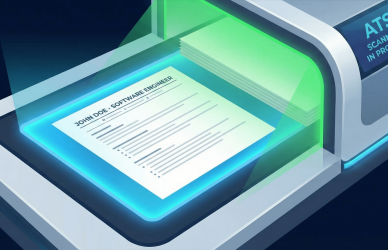
A resume is still the most powerful tool in your job search—but the rules have changed. Recruiters, AI tools, and Applicant Tracking Systems (ATS) have transformed how resumes are read and shortlisted.
This guide will help you create a resume that stands out —whether you’re a fresher or an experienced professional.
“Your resume is your first impression — make it count, because you never get a second chance to make a first impression.”
—
What you’ll learn
- What Makes a Resume Great
- Best Resume Format to Use (and Which Ones to Avoid)
- How to Structure Your Resume
- How to Write Each Resume Section
- Resume Examples (Fresher & Experienced)
- ATS Optimization Checklist
- Common Resume Mistakes to Avoid
- Final Resume Checklist

1. What Makes a Resume Great
Recruiters receive 300–1,000 resumes per job posting today. Your resume must:
- Be scannable by ATS
- Show achievements, not responsibilities
- Use keywords naturally
- Be clean, simple, and professional
- Fit into 1 page (freshers) or 1–2 pages (experienced)
Golden rule: Your resume’s job is NOT to get you a job. Your resume’s job is to get you an interview.
2. Best Resume Format to Use (and Which Ones to Avoid)
Always use:
✔ Reverse Chronological Format (Best for 2025)
Recruiters prefer this format because it shows your latest experience first.
❌ Formats to Avoid
- Functional resume
- Graphic-heavy resume
- Canva resumes with too many design elements
These often break ATS systems.
3. Resume Structure (Universal for All Job Seekers)
Here is the ideal section order:
- Header (Name + Contact)
- Professional Summary
- Skills (Technical + Soft Skills)
- Work Experience / Internship Experience
- Education
- Certifications
- Projects (Optional)
- Awards & Achievements (Optional)
4. How to Write Each Resume Section
Header
- Name (bold, large)
- Phone number
- Email (professional only)
- LinkedIn URL
- Portfolio / GitHub (if applicable)
Professional Summary (3–4 lines max)
Focus on your strengths, experience, and impact.
Example (Experienced):
“Results-driven Marketing Specialist with 5+ years of experience improving brand visibility through digital campaigns, SEO, and analytics. Proven success increasing organic traffic by 120% and generating high-quality leads.”
Example (Fresher):
“Highly motivated engineering graduate skilled in Python, data analysis, and teamwork. Seeking an entry-level role to apply academic knowledge to real-world solutions.”
Skills Section
Separate into:
Technical Skills (tools, software, technologies)
Soft Skills (communication, teamwork, time management)
Keep them relevant to the job.
Work Experience (STAR Format)
For each job:
- Situation
- Task
- Action
- Result
Example:
- Reduced customer response time by 40% by implementing automated support workflows.
- Increased monthly sales by ₹3,50,000 through targeted outreach.
Always use numbers.
Education
Mention:
- Degree
- University
- Year of passing
- Relevant coursework (optional)
Certifications
Include only job-relevant certifications.
Projects
Useful for freshers, IT roles, and creatives.
Include:
- What you built
- Tools used
- Outcome
5. Resume Examples (Ready-to-Use)
Fresher Resume Example (Summary Only)
“Computer Science graduate skilled in Java, SQL, and cloud fundamentals. Completed 3 academic projects including an e-commerce website. Looking for opportunities in software development.”
Experienced Resume Example (Summary Only)
“Senior Sales Manager with 8+ years experience in B2B sales, lead generation, and customer acquisition. Consistently exceeded quarterly targets by 25–40%.”
6. ATS Optimization Checklist
Your resume is ATS-friendly if:
✔ Uses simple fonts (Arial, Calibri, Helvetica)
✔ Contains job-specific keywords
✔ Uses bullet points instead of paragraphs
✔ Has no images, text boxes, tables, or icons
✔ Uses standard section headings (Experience, Skills)
7. Common Resume Mistakes
❌ Spelling mistakes
❌ Unprofessional email address
❌ Overusing buzzwords
❌ Too many colors
❌ No numbers or achievements
8. Final Resume Checklist
- 1 page (fresher), 1–2 pages (experienced)
- Action verbs in each bullet
- Quantified achievements
- Keywords matched to job description
- Clean, consistent formatting
- A great resume isn’t designed once—it’s updated for every job.
⭐ Conclusion
Your resume is your first impression. If you invest even one hour improving it, your interview chances increase dramatically. Follow this guide, and you’ll be ahead of 90% of other job seekers applying for the job.